Last week I was interviewed for a podcast and, at a certain point, I made a mistake. The inner voice in my head went ballistic and almost derailed the whole interview. The podcast, eventually, went super well, and I...
Last week, I was interviewed for the Advisor Anon podcast. They let me choose the topic and I suggested “Values and Choices”. While Advisor Anon prides itself on not disclosing names or businesses, they gave me permission to talk about the podcast. Here’s the link: Values, the most important lighthouse to make decisions in life.
During the interview, we talked a lot about achieving objectives vs. making a contribution and, in the flow of the conversation, at 20:33, I accidentally said “impact” instead of “goal” (basically the opposite of what I was trying to say).
I realised the mistake a second later and the voice in my head started firing off with typical very inspiring, non-distracting-at-all sentences like “Shit, I made a mistake,” “Should I carry on like nothing happened?” “Should I tell the interviewer to stop the recording?” (we were pre-recording the podcast, it wasn’t live), “Should I interrupt him and tell the audience about my mistake?”
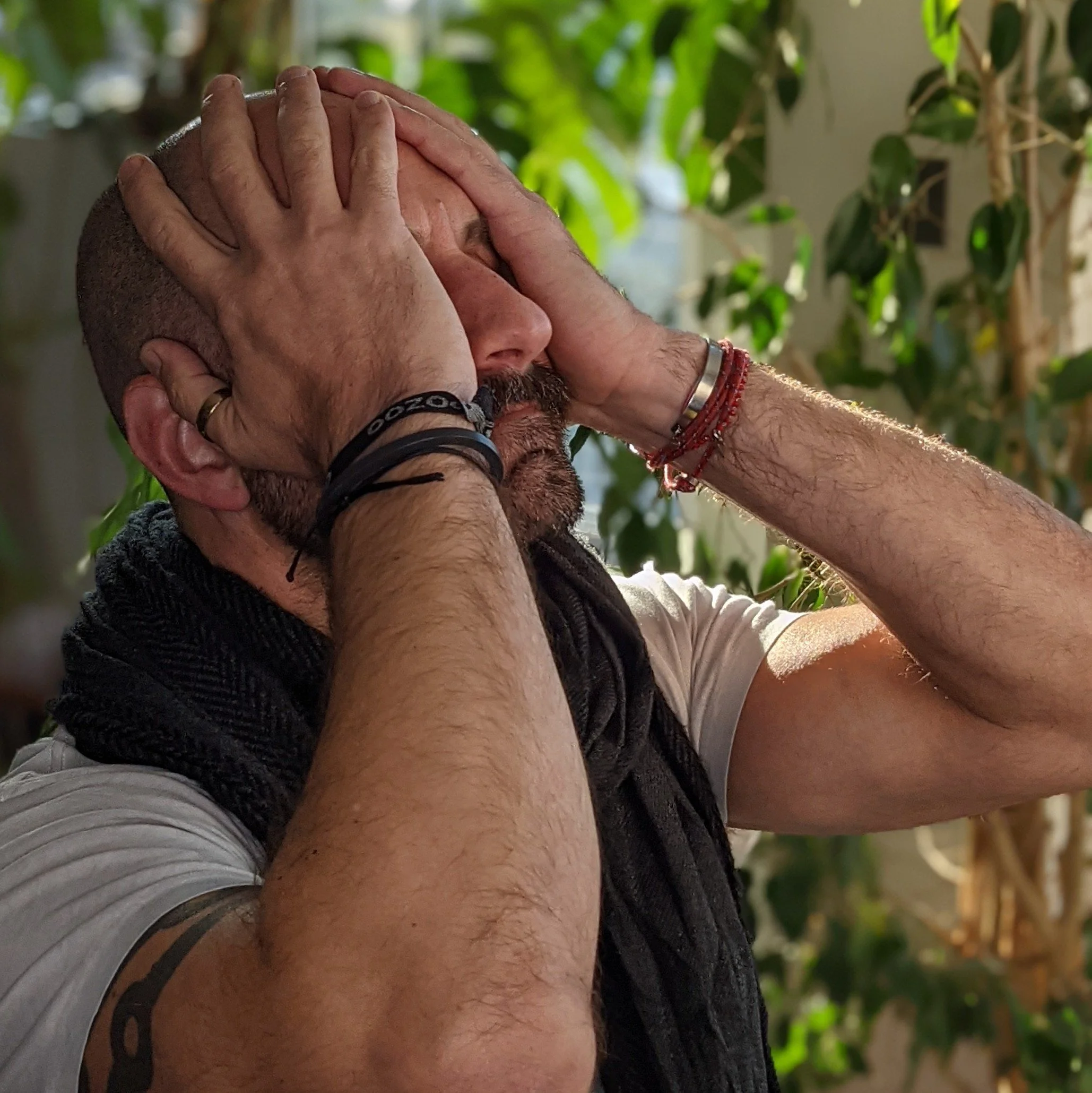
Photo by Ketut Subiyanto from Pexels
My mind was hijacked by those thoughts while the truth is, it didn’t matter. I could have done any of the above, and the interview would have been equally fine. The mistake had become a problem in my mind, I was making a big deal of it and the voice in my head was derailing the flow of the interview. The problem was the chattering in my mind, not that mistake.
Some powerful tools came to the rescue. I used acceptance and presence to let go of what had happened and refocus my awareness on the now. The conversation went on beautifully and, according to the interviewer, we made a great 26-minute podcast. He didn’t notice the mistake at all and even asked me more questions about values and choices after.
All’s well that ends well.
The thought of that mistake kept occupying my mind, though, even days later. When a thought keeps haunting us, it means there’s a lesson to learn. So I started asking myself what I could learn from that experience.
Our culture overvalues mistakes. While, obviously, I wouldn’t wish mistakes upon anyone, it feels like we overreact to them.
Instead of building them into the picture, we basically imagine a reality of perfection that is unforgivably perturbed by mistakes when they happen. Instead of including them inside our definition of action, we treat them as unerasable marks of our failures.
Obviously, it’s not that extreme for everyone, but I’m sure most of us have been through the following scenarios many times in our lives:
Before we do something, we’re paralysed by the fear of making mistakes… and we often procrastinate… or even cancel it entirely.
While we’re doing something, we’re crushed by the search for perfection… and, we make much slower progress than we’d like to (often submerged by frustration) or, if it’s a performance, we’re nervous and unnatural.
After we realise we’ve made a mistake, we’re overwhelmed by feelings of remorse, guilt, inadequacy, etc. and, engulfed by those emotions, we’re often unable to react to the mistake itself with a clear mind.
All the above situations come from a place of rejection of mistakes. My point is not that we should wish mistakes upon ourselves, but we should accept and integrate the possibility of mistakes into the story of our actions.
The podcast interview went so well because the topic was inspiring and the interviewer and I created a great flow. If I integrate the possibility of mistakes into my story, then the mistake of saying “impact” when I meant “goal” was just a product of that flow, part and parcel of the whole success of the conversation.
Yes, I hope I won’t make any mistakes at the next interview, but that’s in the realm of wishes for the future. In the realm of the present, where that mistake has already occurred, I can welcome the mistake the same way as I welcomed the flow of the conversation that made the podcast so nice.
The ardour of my talking generated both the mistake and the nice podcast. Flow and mistake came together, one indivisible from the other.
Resisting mistakes as an unacceptable component of an action would result in me declining future invites to interviews, over-preparing (and overtiring myself) before the next one, or being over nervous during the next interview… none of which I wish upon myself.
Photo by Cottonbro from Pexels
In The Art of Possibility by Zander and Zander, one of the books we recommend at Wise Humanity, the authors tell a very cool story about the beauty of mistakes.
A violinist once told Stravinsky that a difficult passage in the violin concerto was virtually unplayable, to which the composer is supposed to have replied: “I don’t want the sound of someone playing this passage, I want the sound of someone trying to play it!”
Stravinsky built mistakes into the majesty of his concert.
Can you accept mistakes as part of the splendour of all the things you do?
Why do obvious team problems go unaddressed? The usual fixes, from pulse surveys to away days and perks, soothe the symptoms without touching the cause. So what stops everybody from going beyond the surface?
I've just started a round of interviews to solve this mystery. If you're a team leader, senior manager, or executive and you'd like to be interviewed, send me a message. I'll share the outcome of the study with everyone who takes part.
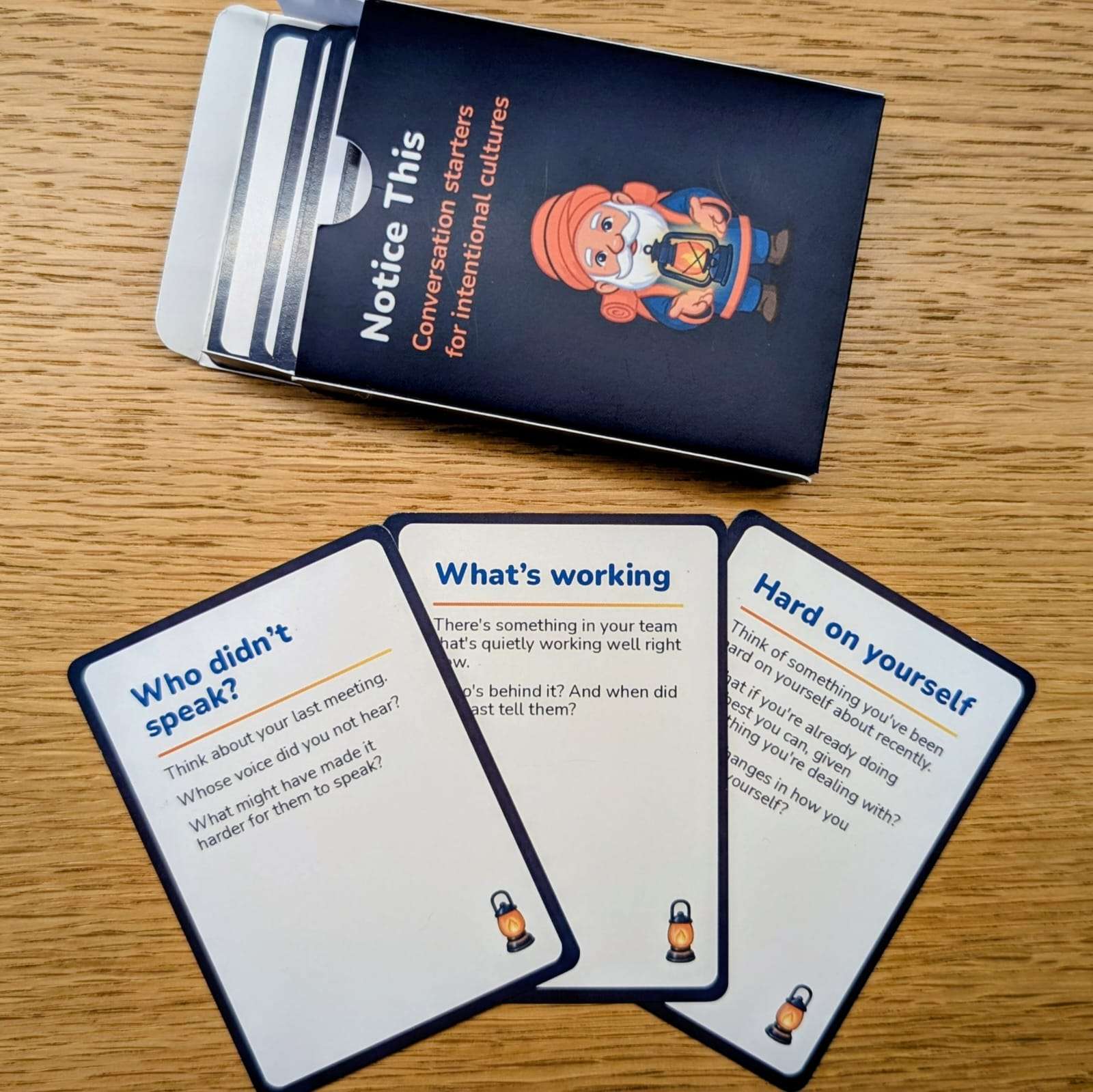
A few weeks ago, we launched our Hu.Be platform at the Engage Employee Summit in London. And to engage with people, we created this “conversation starters” card deck.