Inside or Outside? The Wise Humanity Blog on Earth’s Day
It was Earth Day last week and, while I was preparing this blog post, I was thinking, “OK, what is the most Wise Humanity way to encourage respect and promote love for the planet?”
That’s a fairly good metaphor. The vast majority of us human beings do take good care of our homes. So, if we all treated the Earth as we do our home, we would be facing very different challenges today.
However, for whatever reason in our lives, we can decide to leave our home and move to a new one, which is something we can’t do with the Earth.
So we decide to refer to the Earth as our only home.
Apart from boosting novels and movies about building space arks and colonising new worlds, which I see as a catastrophic outcome rather than as an adventurous one, it doesn’t feel like the new metaphor has improved our attitude towards the Earth a lot.
Our home, even when it’s our only home, is something whose only purpose is to serve us, humans. It’s something we control (we can pull down a wall, expand a room, etc.). When something is broken, there’s a leak, a short circuit, a power outage, etc., we can fix it. If we fill it with garbage, we can throw it away at some point. If we let it decay for years, we can still refurbish it one day. Finally, even if it burns down, we can still rebuild it (however painful and expensive that might be).
All these things are not true when it comes to our planet. That’s why “our only home” is a very good metaphor (I wish everybody embraced it!), but not a conclusive one.
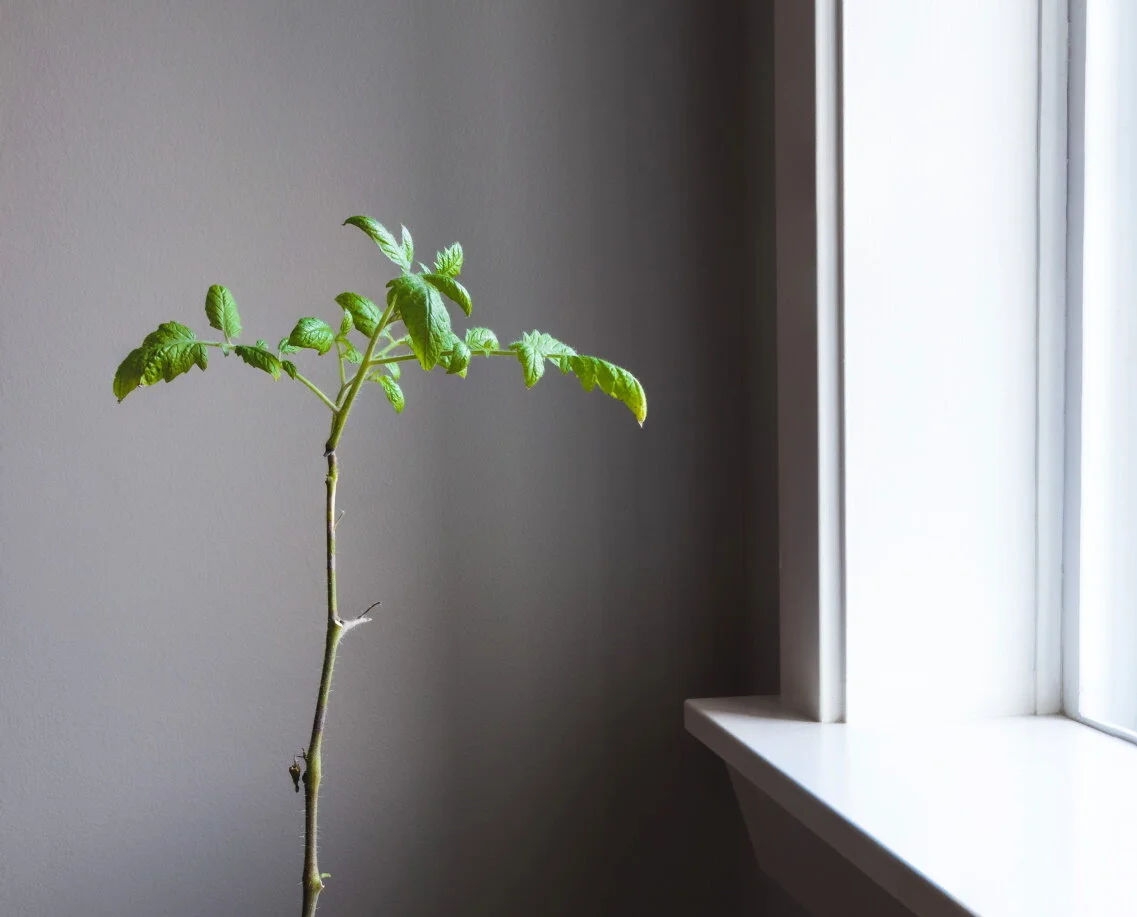
Photo by Greg Rosenke on Unsplash
Our language is full of deceptive expressions when it comes to our planet.
For example, when we’re born, we say that we come into this world.
Have you ever paused to reflect on that phrase and all its implications? None of them help us look after this world.
It makes it sound like we’ve come from somewhere out of this world; we probably have somewhere else to go after; this world is purely a host; it’s something to conquer, tame and use; it’s something foreign to us.
That phrase, and our mental frameworks and habits that come with it, perpetuate a feeling of difference, distance, possibly even hostility between me on one side and the so-called external world on the other, standing there like an unfriendly, unsafe, alien host.
“It is absolutely absurd to say that we came into this world. We didn’t. We came out of it.”
These are the words of British philosopher Alan Watts.
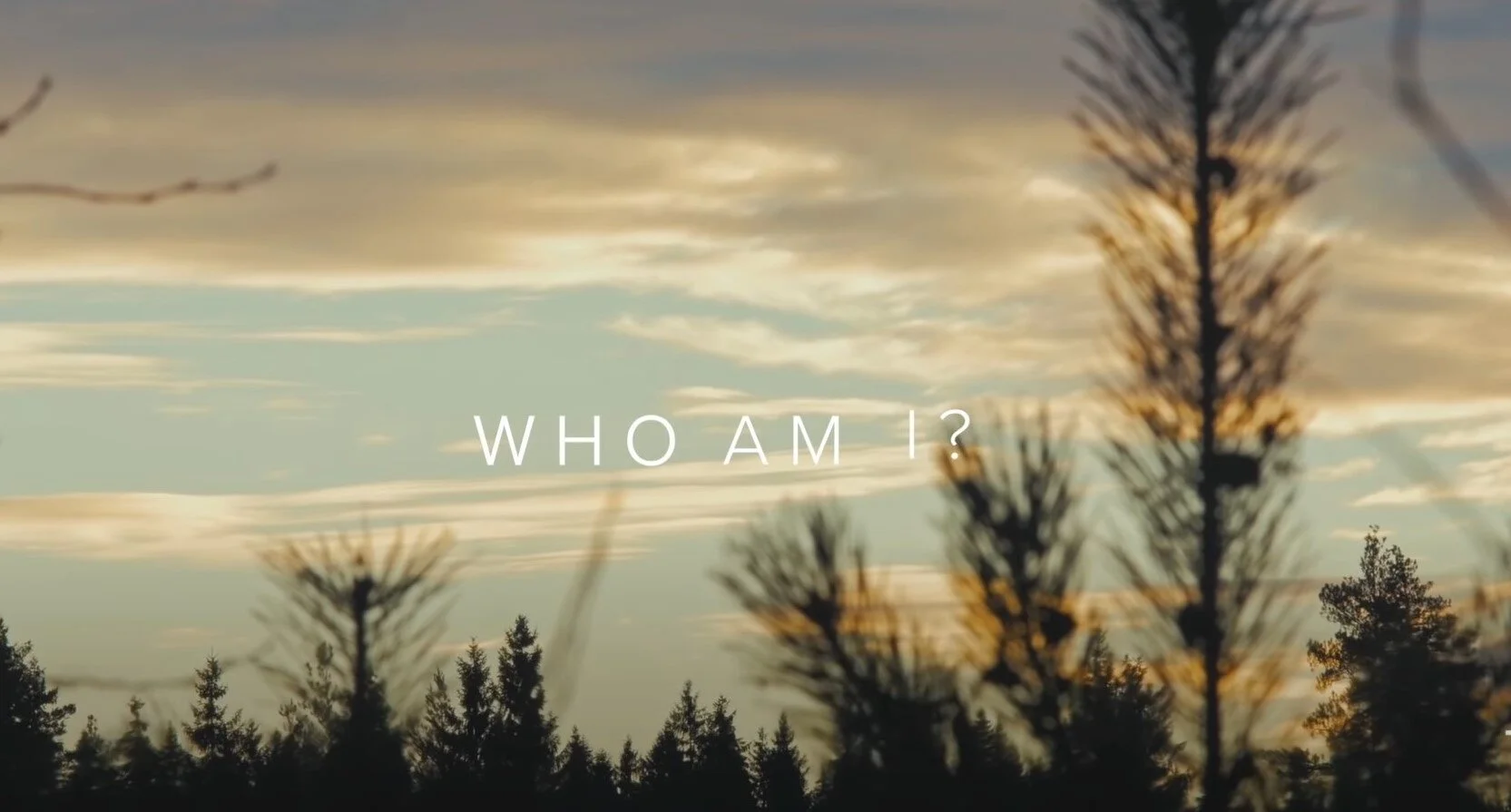
Watch this uber-inspiring, mind-blowing, short talk by him: Who Am I?
Now watch it again.
To save the Earth, we don’t need to find a more powerful metaphor about the planet, we need to find a different one about us, about who we are, about who I am.
I am a mountain that emerges from the collision of different continents. I am a tree that has grown from a crack in the rock. I am a molecule of water that has quenched the thirst of millions of animals and plants and is now hovering in the blue sky.
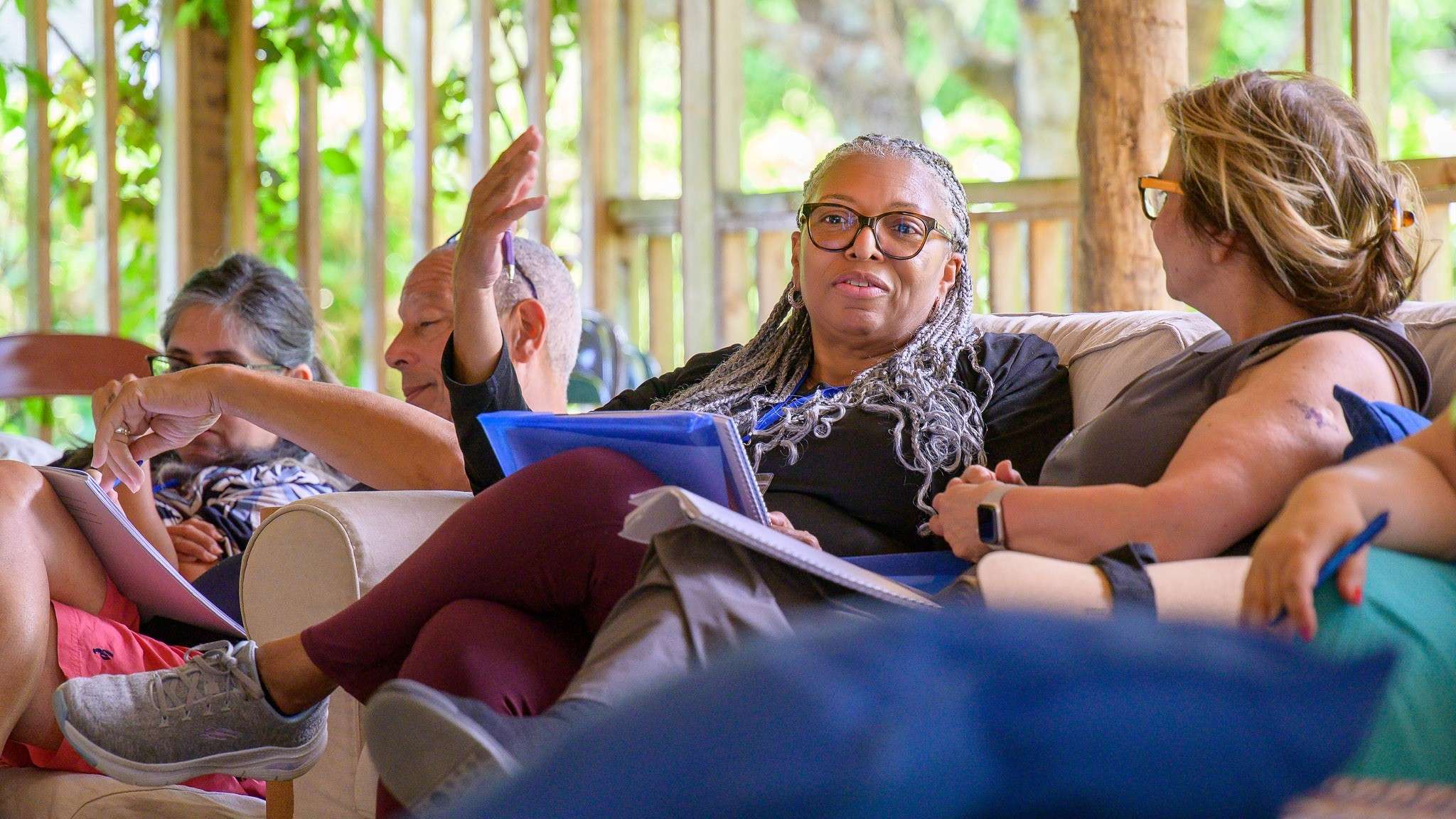
Why do obvious team problems go unaddressed? The usual fixes, from pulse surveys to away days and perks, soothe the symptoms without touching the cause. So what stops everybody from going beyond the surface?
I've just started a round of interviews to solve this mystery. If you're a team leader, senior manager, or executive and you'd like to be interviewed, send me a message. I'll share the outcome of the study with everyone who takes part.
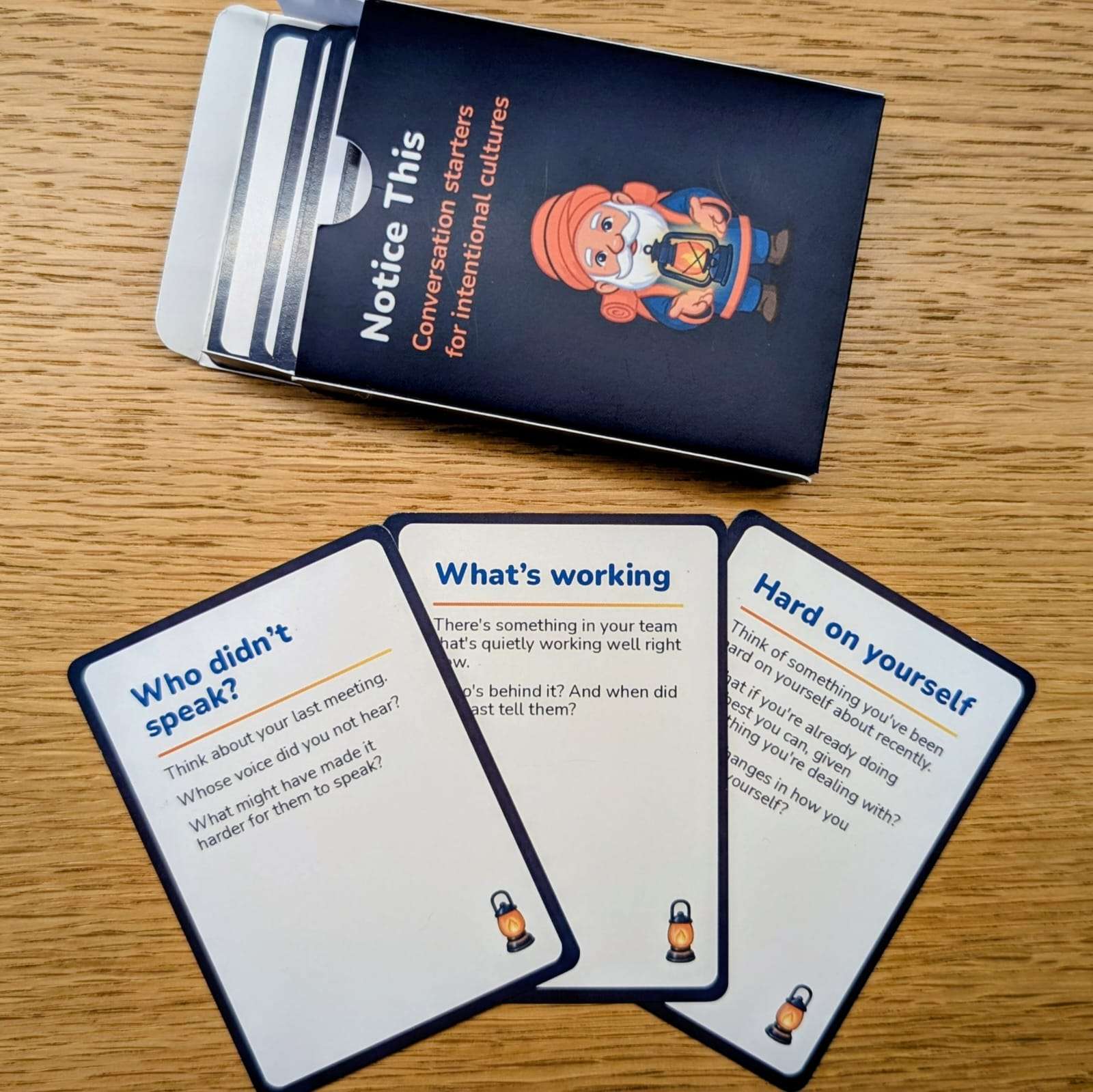
A few weeks ago, we launched our Hu.Be platform at the Engage Employee Summit in London. And to engage with people, we created this “conversation starters” card deck.